
Storm Damage Roof in Sachse, TX
Sachse does not get hammered every year, but Dallas County still logs real hail, and one bad afternoon is enough. A local roofer dates each slope to a storm on record before any claim.
- Insurance jargon translated to plain words
- Workmanship terms spelled out in writing
- The same roofer, first walk to final nail
Call (469) 331-9625
Sachse gets less hail than the county, but one bad storm is all it takes
Most years this part of Sachse comes through hail season with little more than a loud night. The county record runs fuller: Dallas County logs real hail on plenty of days, though the biggest stones fall far to the south, nowhere near here. What reaches Sachse tends to be smaller, ping-pong to golf-ball, bruising a mat instead of punching through.
That gap is why a careful look matters. A local roofer walks each slope, dates the damage to a storm the county actually recorded, and says plainly whether there is a claim or just an aging roof.
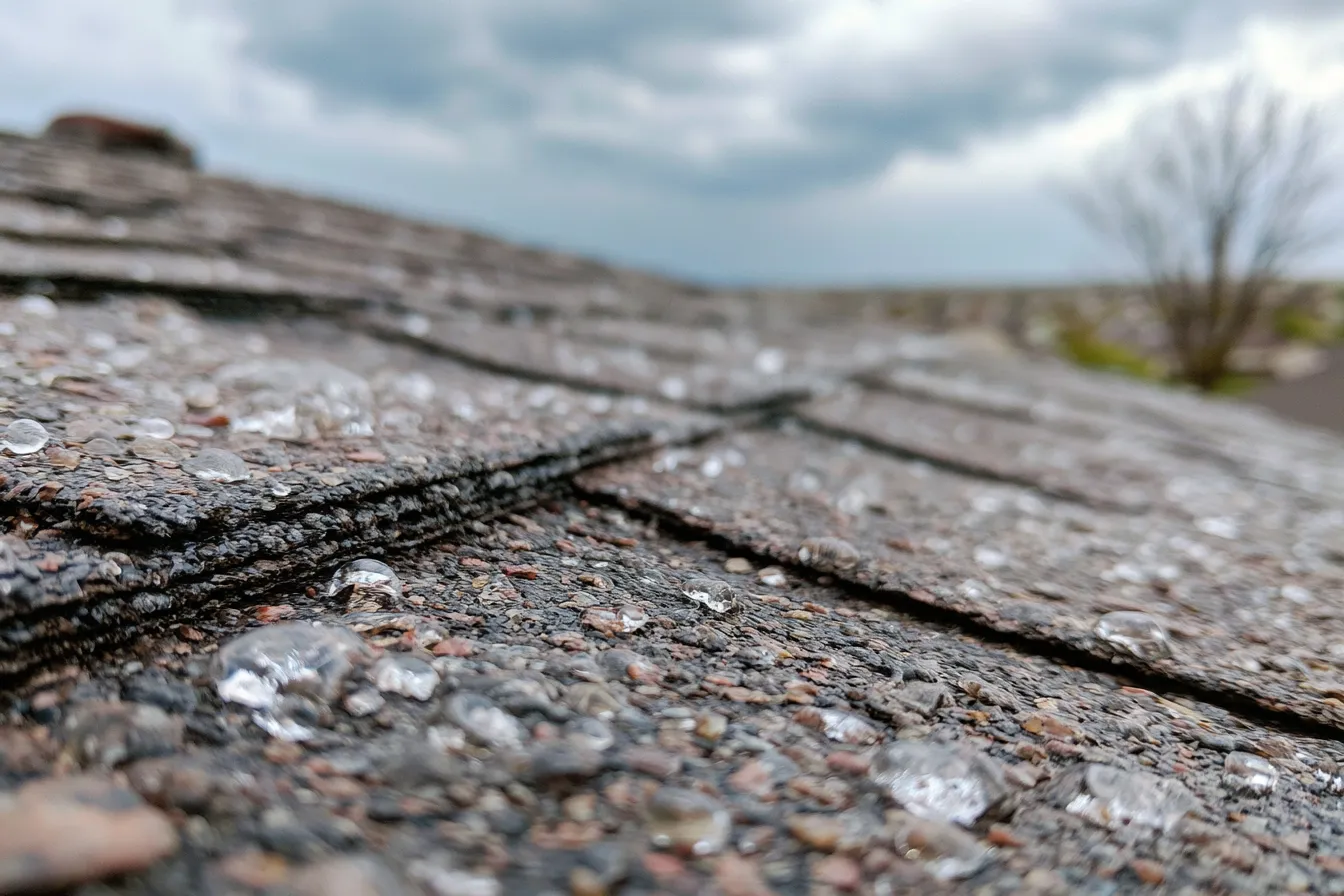
The line an adjuster draws, and where your Sachse roof falls on it
Every claim comes down to one split, a sudden storm on a date versus a roof wearing out on its own schedule. The two lists below sort the usual findings into those buckets in plain words, so you can place your roof before anyone opens a file.
Damage with a date on it
A specific hail or wind event is exactly what a policy is written to answer for.
- Bruised, pitted shingle mat. Soft, dark craters where a stone knocked the granule shield off the asphalt beneath.
- Shingles the wind broke loose. Tabs creased, folded back, or torn free along the seal line after a gusty front.
- Dinged metal at the roof's openings. Caved vent hoods, split pipe boots, and bent flashing that start to weep at the joints.
- Stains that show up inside. Brown ceiling rings and damp attic insulation that usually travel on the same claim.
A roof spending down its own years
Insurers pay for a bad afternoon, not for slow age, and this is where most denials sit.
- A roof at the end of its life. An early-1980s Brookview roof can simply reach the finish of its service years, and that is a replacement, not a payout.
- Slow leaks nobody caught. Moisture that worked in season after season, not a single afternoon you can circle on a calendar.
- A past crew's shortcuts. A prior roofer's poor install is on them to answer for, not your carrier.
- Cosmetic dents that never leaked. Some policies specifically exclude surface dimples on metal that never let water in.
Twenty-three hail days on the Dallas County log, and where Sachse sits on it
Sachse sits in Dallas County, and the county takes hail the way North Texas does. Over four years the NOAA log holds 23 separate hail days and 96 reports, a top gust of 96 mph at Richardson, and a county-high 4.00-inch stone at Cedar Hill, far to the south of here. Read plainly, Sachse's own hits run smaller: 1.50-inch, ping-pong hail fell right over Sachse in a recent spring, and 2.25-inch stones landed next door in Garland the season before. Every row below is pulled directly from the NOAA and NCEI Storm Events record for Dallas County, reported there and not by us.
Source: NOAA / NCEI Storm Events Database, Dallas County 2023–2026, on the record. Shown here are the most recent entries on the county log. Updated July 2026. A stone that leaves nothing visible from the driveway can still bruise the mat, so a look after a rough night is worth the trouble.
What you are holding when the inspection is done
A real inspection closes with a folder in your hands, not a handshake, and each one is assembled the same way so nothing about the roof is left to memory. The four pieces below are what a local roofer turns over once the look is done, every page of it taken from your own roof and delivered on your own schedule.

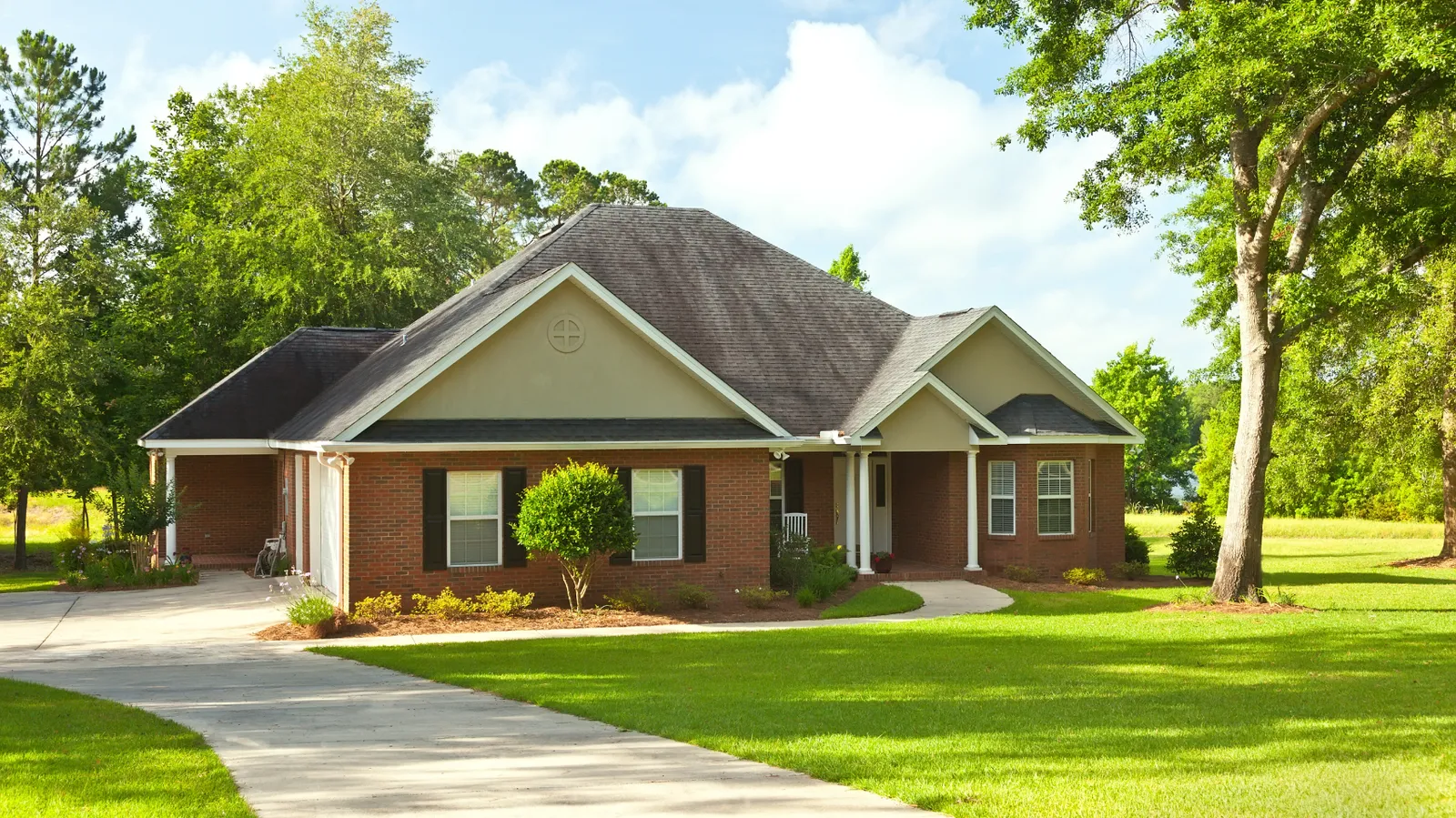

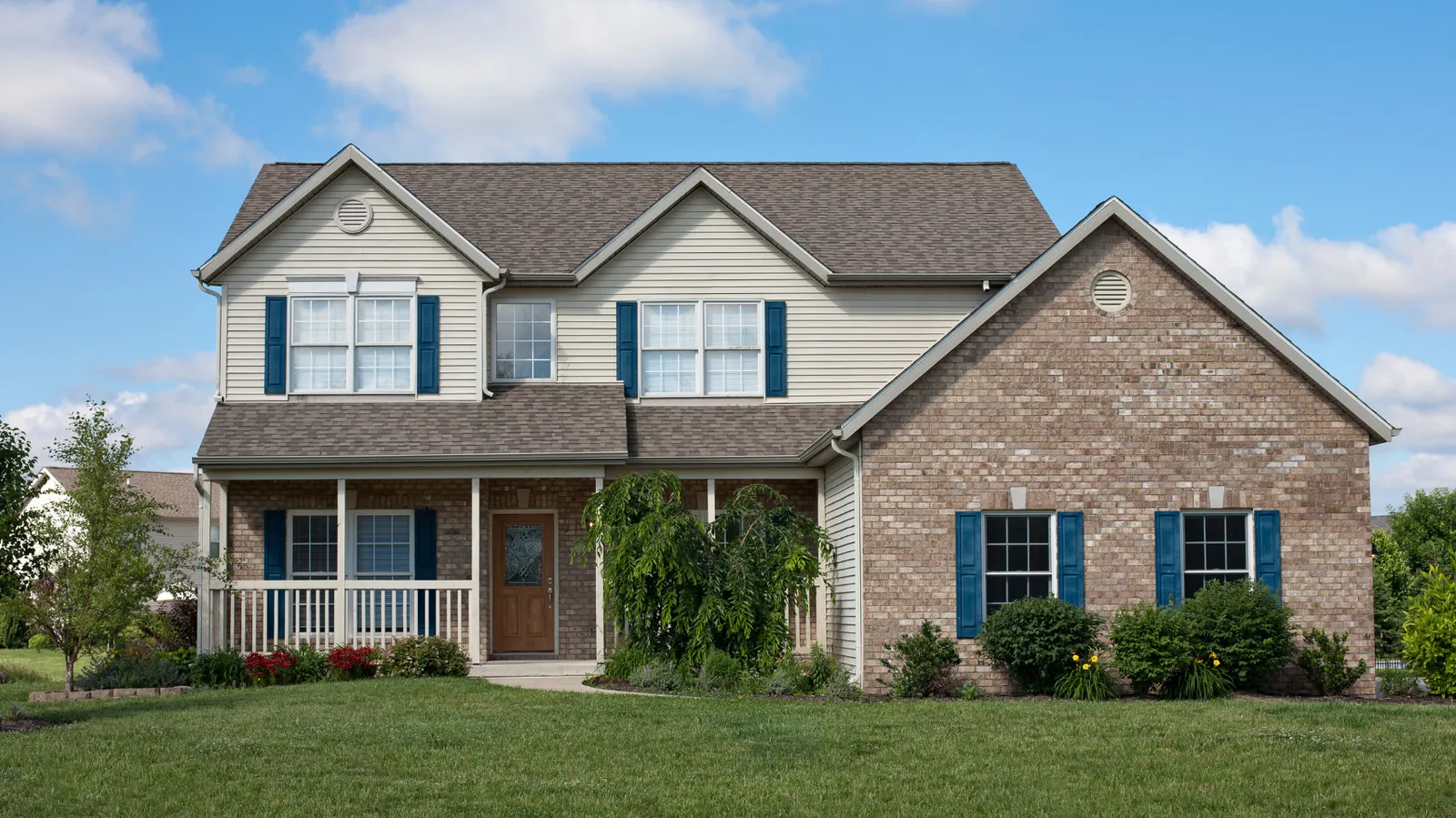
Documents shown here are illustrative only. Yours is built from your own roof, at your own appointment, and handed to you in your own time.
What you can spot from the yard after a rough night
No ladder required for any of this. A slow walk around the house and a look into the gutters is enough to catch the tells that hail or wind actually reached the roof, worth doing even when everything looks fine from the curb.
- A vent pipe boot cracked and chalky, split enough to spot from the ground
- A gritty pile of granules washed into the splash blocks or the foot of the downspouts
- Gutters overflowing or pulling off the fascia after a hard Dallas County storm
- A coffee-colored ring blooming on a ceiling or high on a wall a week or two later
- Pockmarks across the AC fins, gutter lips, and vent caps, since soft metal shows a strike first
Little of this reads clearly from ground level, so a dated inspection is a fair pick after a hard hail day, and a small hit caught early is usually a quick storm repair instead of the full replacement a missed one grows into.
Sachse storm questions, answered plainly
The ones that come up once the sky clears and a roof needs a plain answer.
Q1Does Sachse actually get enough hail to worry about?
Q2Hail fell nearby but my roof looks fine. Should I still check?
Q3What size hail does real damage around here?
Q4My roof is from the 1980s. Does its age kill a hail claim?
Q5Should I wait to see if it leaks before calling anyone?
Q6Do I have to replace the whole roof after hail?
Match the damage to a day the county logged
A hailstorm with a real date behind it carries far more weight with a carrier than one you only recall; if anything is open to the weather, get photos and a tarp on the same day. Give Bluestem the word and a local roofer matches every slope to the Dallas County storm log and tells you straight whether a claim is even there.