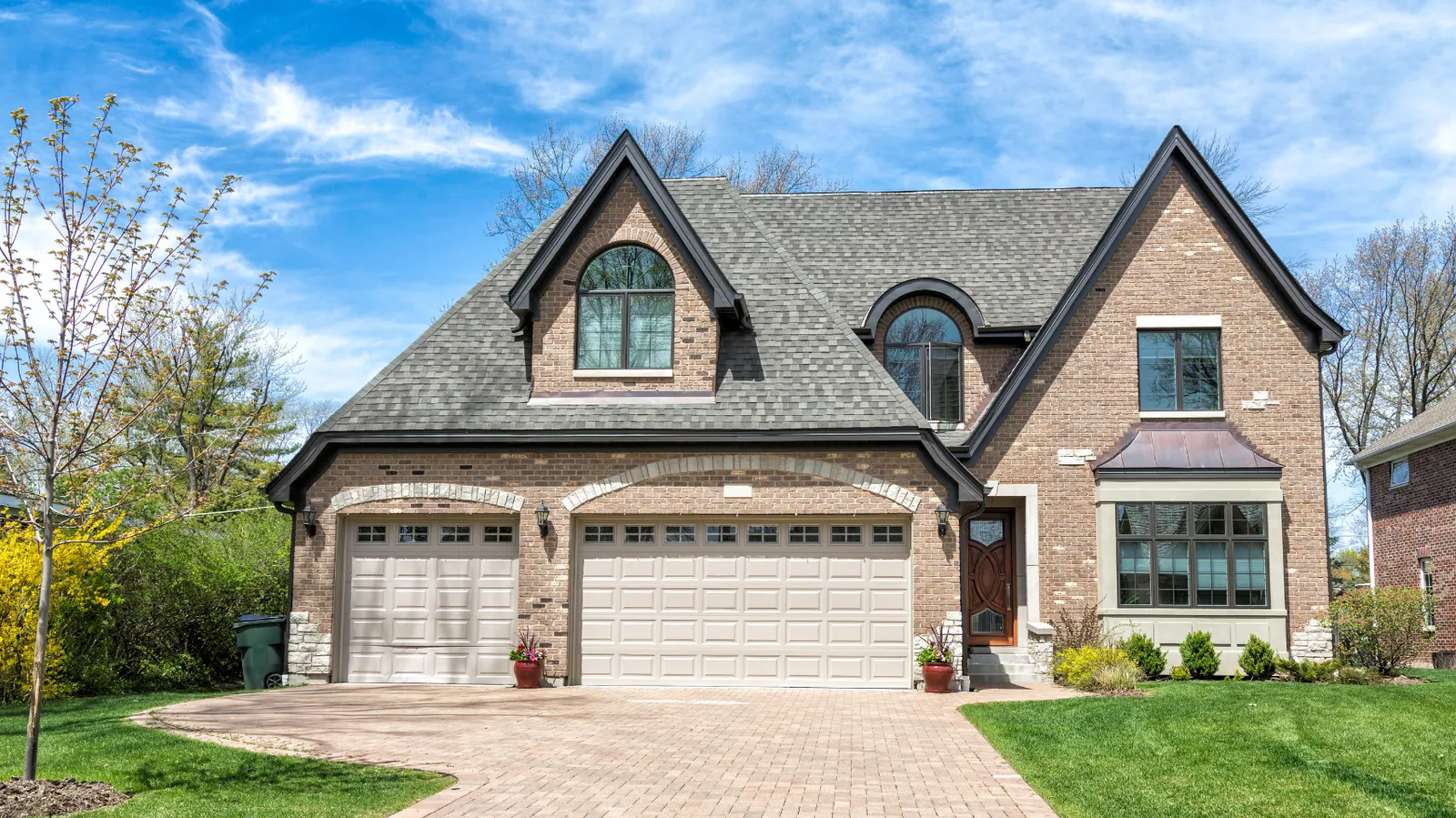
Roof Ventilation in Sachse, TX
Roof ventilation is the balanced airflow that lets attic heat and damp escape. On Sachse's older roofs it is often short of today's code, and a re-roof is when a local roofer brings it up.
- Insurance jargon translated to plain words
- Workmanship terms spelled out in writing
- The same roofer, first walk to final nail
Call (469) 331-9625
On an older Sachse roof, venting is a code gap, not an add-on
Ventilation is air moving through the attic, a matched pair: low soffit intake draws cool air in, high ridge exhaust lets hot, damp air out. Let one side choke and heat and moisture pool under the roof, aging the shingles from below.
Sachse's older roofs, the 1980s homes in Brookview Estates and the historic core, predate the venting code, so many run short. Today's code sets a minimum, checked at re-roof. A local roofer sizes the intake and exhaust together and brings the whole system up to code as the new roof goes on, far cheaper with the ridge off.
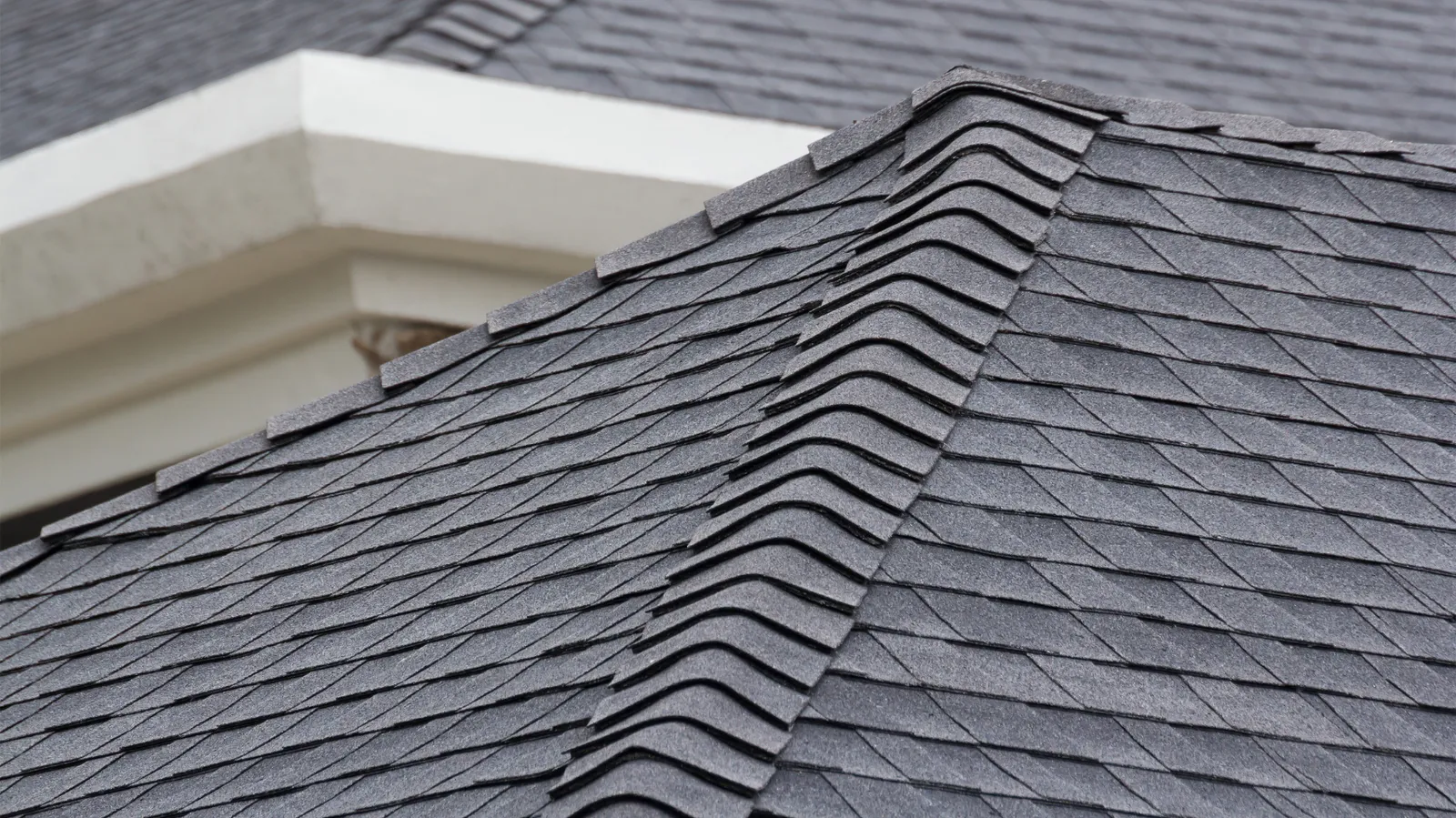
What a Sachse ventilation fix actually touches
The pieces a roofer reads so air moves through the attic, not just into it.
- 01The intake down at the soffit
- Low vents under the roof edge feed cool air in, and on older Sachse homes they are frequently missing, painted over, or buried under blown-in insulation, so no amount of exhaust above can pull air the intake never lets in.
- 02The exhaust up at the ridge
- High venting, usually a continuous ridge vent along the peak, lets the hottest air off the top, and without enough of it the intake below has nowhere to send the air it draws.
- 03The balance the code now wants
- Airflow only works when the low intake and the high exhaust are sized to each other and to the attic's size, and that balance is the number the permit inspection checks at a re-roof.
- 04Whatever is choking the flow now
- Insulation stuffed over the soffit vents, a bath fan dumping straight into the attic, or old clogged boxes all stall the loop, and a roofer clears these before adding a thing.
Not sure your attic is breathing? A free inspection weighs the intake against the exhaust and tells you which side is short and what the code will ask for at a re-roof.
Tells that your attic cannot breathe
The everyday signs that heat and moisture are trapped up top.
- Upstairs rooms that stay warm long after the sun is down, whatever the thermostat says
- Shingles curling or wearing out well ahead of the years they were rated for
- A wall of trapped heat that meets you the moment the attic hatch comes open
- Rusty nail points, damp or matted insulation, or a musty smell up under the roof
- Beads of moisture or a skim of frost on the underside of the decking after a cold snap
Any of these is about how the attic moves air, not just the weather outside. Fixing the venting guards the shingles overhead and usually trims the summer cooling bill as a bonus.
Where a venting fix lands on the bill
As roofing jobs go, sorting the venting is one of the cheaper ones, and what it costs turns on how much has to change.
The real value shows up when the venting is corrected during a re-roof: with the ridge already stripped and the deck exposed, the code fix rides along for a fraction of what a standalone visit would cost. A local roofer prices it after actually reading the attic, and the new-roof cost guide shows where a full roof lands if yours is near due too.
See what a roof costs- Opening or adding soffit intake is the low end
- Cutting in a ridge vent or rebalancing a fighting system costs more
- Folded into a re-roof, the code fix is the cheapest it ever gets
- No figure until a roofer is up in the attic reading it
Why the old side of Sachse runs short on venting
Two building eras sit side by side in Sachse, with very different attics. A local roofer balances the venting as the new roof goes on and brings it up to the code the inspection checks, and on an older home usually folds it into the roof replacement itself.
- 01Built before venting was code
- The historic core and the 1980s streets of Brookview Estates went up when attic venting was an afterthought, so plenty never had enough intake or exhaust.
- 02Old attic heat ages the roof
- An under-vented attic bakes the underside of the shingles all summer, curling them years early; newer Woodbridge roofs, vented to a modern standard, rarely have the problem.
Planning a new roof anyway? Getting the venting right is half of why the roof permit guide matters, and a roofer folds it into the job.
Attic venting questions from Sachse owners
What owners of older homes ask about attic airflow.
Q1My house is in the historic part of Sachse. Is it likely under-vented?
Q2Do I have to add venting when I replace an older roof?
Q3One big roof vent or an attic fan, isn't that enough?
Q4Could bad venting be why my shingles look worn early?
Q5Does poor ventilation affect my shingle warranty?
Q6The Woodbridge house we bought is newer. Does it still need a venting check?
Give an older Sachse attic a way to breathe
A stifling attic quietly shortens the roof above it, and on an older Sachse home the venting is often the very thing code wants brought current. Tell Bluestem what your upstairs and your summer bills are doing, and a local roofer reads the attic, balances the intake and exhaust, and puts one honest figure on paper, with the code items that apply to an older roof called out plainly.