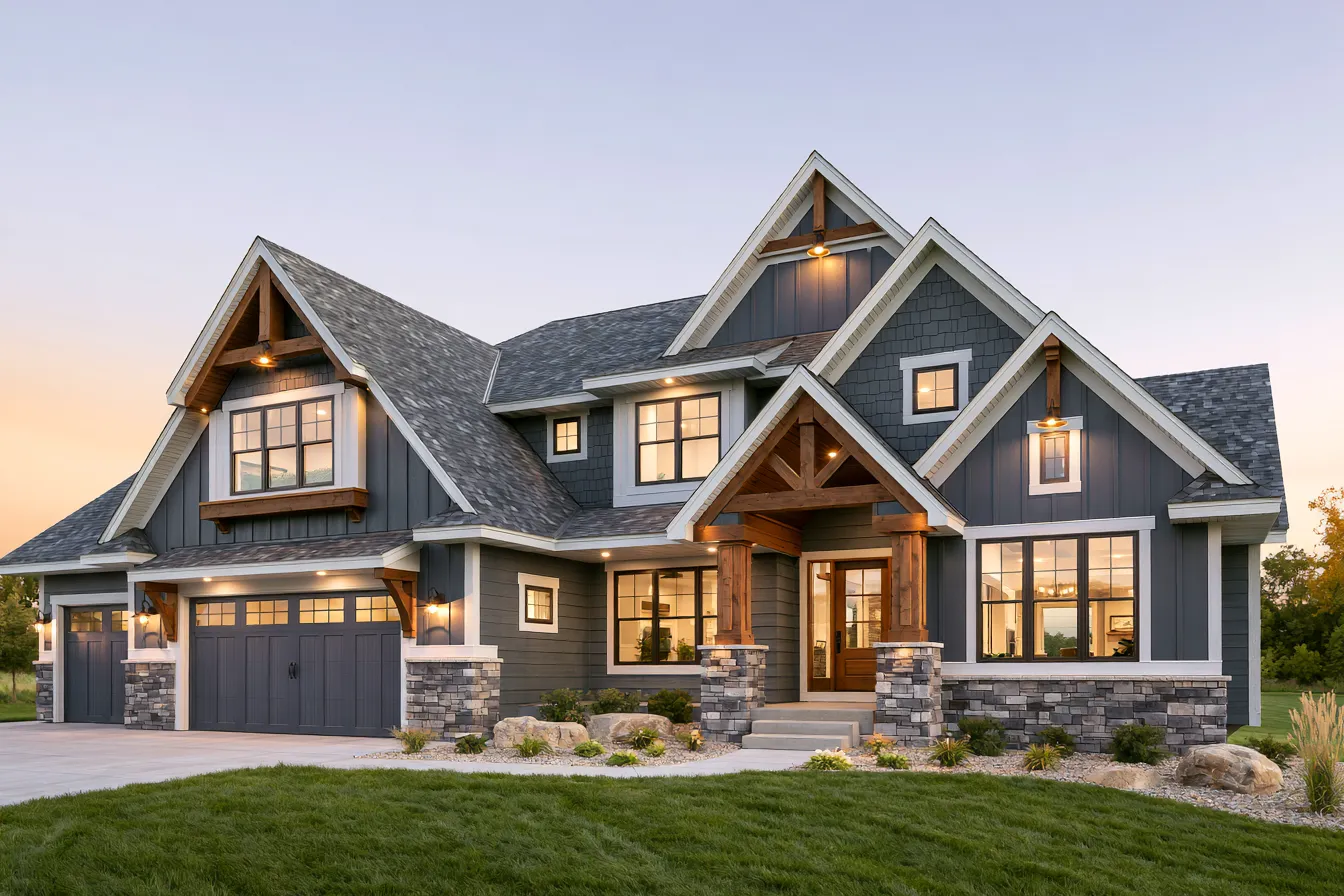
Roof Replacement in Sachse, TX
On the old Sachse core a full replacement is usually a roof run out of years, one that a tear-off brings up to current code. On a young Woodbridge roof it is rare, and almost always storm-driven.
- Insurance jargon translated to plain words
- Workmanship terms spelled out in writing
- The same roofer, first walk to final nail
Call (469) 331-9625
Whether a Sachse home even needs a roof replacement comes down to its age
Sachse grew in stages, and the roofs show it. The old core, the early-1980s streets of Brookview Estates and the founding blocks along Highway 78, carries roofs near the end of their asphalt life, so a replacement here is an age call.
Woodbridge and the newer golf streets read the other way: young roofs still inside their warranty years, so a replacement is uncommon, and when needed a hard hail hit is usually behind it, not age. A local roofer settles which case a roof is in before any plan is drawn, an honest repair or a true tear-off.
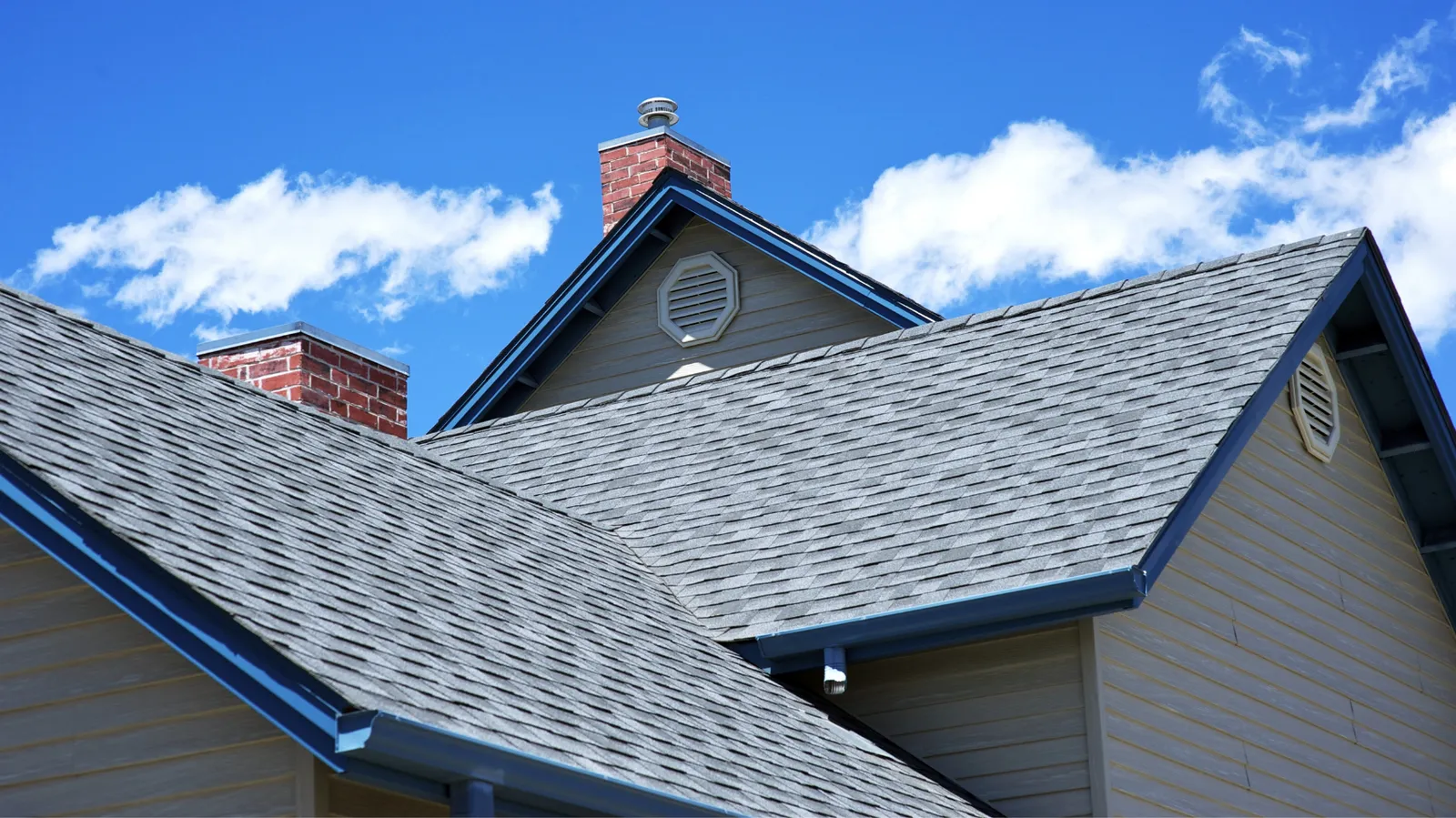
What a full re-roof on an older Sachse home actually includes
Five items a full replacement spec names on paper before a crew starts, not ones you discover once the old roof is off.
- 01The old roof off, down to the deck
- Everything up top comes down to the bare plywood: shingles, underlayment, and any earlier layer a past re-roof left behind. Going over old courses only traps the wear a replacement is meant to end, and on a core home already carrying two layers, code allows no third regardless.
- 02The deck read while it is bare
- With the plywood open, a local roofer walks it sheet by sheet and swaps anything soft, split, or darkened by an old leak. On the oldest Sachse homes more of these tend to hide, so each swap is listed as a line you approve, never a charge sprung after the roof is closed.
- 03The dry-in laid before any shingle
- Synthetic underlayment covers the whole deck first, with a waterproof membrane sealed into the valleys and around every pipe and vent. That hidden layer is what holds a hard Dallas County rain off the wood if a shingle ever lifts in a gust.
- 04New flashing at the walls and valleys
- The metal at the walls, the chimney, and the valleys comes off with the old roof and goes back new, not straightened and re-caulked. Old flashing carried up from a prior roof is the usual spot a fresh leak reopens, so on an aging home reusing it defeats the point of starting over.
- 05A new field, and the code items brought current
- New shingles and pipe boots go on, and the details today's code asks for, drip edge, proper deck nailing, and a balanced intake-and-exhaust vent path, get set right. Plenty of older Sachse attics run short on airflow by the current standard, and correcting it is part of what lets the new roof reach its rated life.
Not sure whether the whole roof is finished or just one detail failed? A documented inspection gets its real condition on paper before anything is priced, and the shingle options guide weighs what is worth putting back up top.
The order a documented Sachse re-roof follows
The job runs in four stages, and none begins until the stage before it is photographed and signed off. That gate is what keeps an older Sachse re-roof tight, start to cleanup.
The measure, and a dated plan
The first thing out is a tape measure, not a sales pitch. A local roofer measures every slope, adds up the squares, and gives you a dated schedule that names the materials and circles the actual working days. A Sachse strip-and-recover usually takes a day or two in dry weather, so you know up front which mornings the crew will be on the roof.
Strip-off, and the deck on camera
Every old layer comes off to bare wood, and the open deck is photographed and graded while nothing hides it. A soft or leak-darkened sheet gets found, shown to you, and priced right there in the open, so any deck work rides on the plan you already signed instead of landing as a later bill.
The dry-in seals the deck first
Waterproof underlayment and fresh flashing close the open deck before a single shingle goes down. That order matters most on an old-core home, where a slow leak has often been working at the wood for years, so the sealed layer keeps the next rain out while the roof still lies open.
Swept, walked, and handed over on paper
With the shingle field down, the closeout begins: a magnet is dragged across the yard and the beds for stray nails, every slope is checked back against the signed plan, and the workmanship and manufacturer paperwork is filed in one folder that stays with the house. Whether the next event is a storm claim or a sale, that record moves with the home.
Signs a Sachse roof is finished, not just in need of a patch
Spot one or two of these and the issue is likely the whole roof, not a slope a repair could carry a while longer.
- Twenty-five years or more up top, or an original early-1980s Brookview or historic-core roof that has never once come off
- Grit gone across the whole roof rather than one slope: shiny bare patches, dark thin streaks, and gutters that keep filling with granules after a rain
- A stain in more than one ceiling, or a patch that holds a few weeks before a new mark shows up nearby
- A roof an adjuster has already totaled on a Dallas County hail or wind claim, with the carrier funding a new one instead of a repair
- Shingles gone brittle, curling at the edges and cracking across every face, which points to a whole field at the end of its life rather than one loose detail
- Daylight showing between the roof boards from inside the attic, or damp marks that keep widening, both saying water has been getting in for some time
Weighing a patch against a full tear-off? A documented look settles it slope by slope. When a storm is behind it, the storm damage page covers dating the hits for a claim.
The range a Sachse re-roof lands in, by shingle and by decking
Two numbers set a replacement price in Sachse: the shingle you choose and whatever the tear-off turns up under the old roof.
Architectural asphalt runs roughly $410 to $690 a square, an impact-rated Class 4 shingle about $500 to $780, designer lines $550 to $960, and standing-seam metal $820 to $1,470. On the old core, add for any earlier layer to strip and for decking that has to be swapped once the roof is open. Treat these as area planning ranges, not a bid; the firm figure gets written only after a roofer measures the roof and reads the bare deck.
See the full cost guide- Sold by the square, 100 square feet each; a bigger or more cut-up Sachse roof runs the square count up
- Architectural asphalt near $410 to $690 a square, with a Class 4 impact grade around $500 to $780, a step above it
- Designer profiles and standing-seam metal cost more up front and last longer, which suits a stay-put home
- An older layer to strip and any rotten decking come as add-ons, shown on the bare deck and approved before the new roof covers them
Two Sachse roofs, two very different replacement clocks
Sachse reads as one town but wears as two. The old core, Brookview Estates and the founding streets along Highway 78 and Ballard Avenue, holds the city's oldest roofs, so a replacement there is the calendar catching up. The newer Woodbridge half has runway, though Dallas County hail can total even a young field. A local roofer grades whether a roof has usable years left or has crossed into replacement.
- 01The old core, due on the calendar
- The old core, Brookview and Sachse Ranch Estates, holds original-era roofs, so a replacement is an age call, often the moment code goes current.
- 02Woodbridge and the newer streets, storm before age
- Homes built from the 2000s on still sit inside their first roof, so a replacement is uncommon, and hail is usually the reason when it comes.
Still unsure an older roof has truly given out? Get it read before a number is named, and once it is confirmed done, the roofing material guide weighs what to put back up for how long you plan to stay.
Before you commit an older Sachse roof to a full replacement
The questions Sachse owners work through with a roofer before a single day gets scheduled.
Q1How do I know an older Sachse roof needs replacing, not just repairing?
Q2The house is an early-1980s Brookview original and has never been re-roofed. Is a full tear-off really needed?
Q3My Woodbridge roof is barely fifteen years old. Could it ever need a full replacement?
Q4Does replacing the roof on an old-core home mean bringing it up to current code?
Q5Will insurance pay to replace an older roof, or is its age held against me?
Q6Two roofers gave me very different plans for the same old roof. How do I tell them apart?
A full Sachse roof replacement, read and written before a shingle moves
A worn-out roof earns a written plan before anyone pulls a shingle, not a number called from the driveway. Send the details to Bluestem Roofing and a local roofer sizes every slope, reads the deck, and sets the whole job down as one dated plan, replace or repair. The inspection is free.